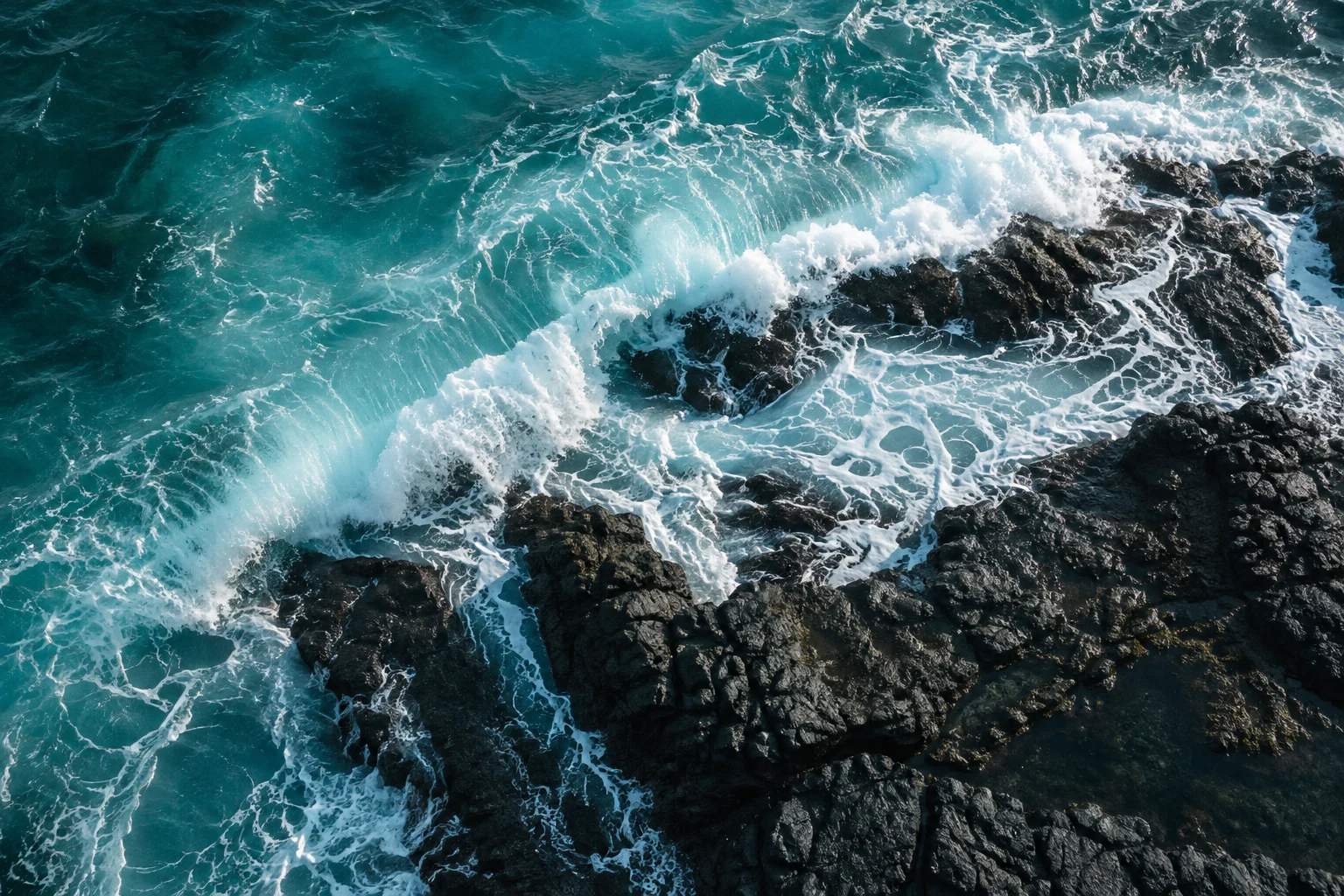
Weather is often treated as the part of a location shoot that cannot be controlled. That is true, but it does not make weather an interruption. It is another collaborator: inconsistent, occasionally difficult, and capable of giving the work a character no lighting plan could reproduce.
Prepare for conditions, not one forecast
The most useful forecast is a range. I note when the light will change direction, when rain is most likely, and how quickly the wind is expected to move cloud. Then I build a short list for each condition rather than one ideal schedule.
Clear light is useful for structure. Overcast skies hold detail and color. Rain makes surfaces reflective and empties busy places. A flexible shot list means none of these conditions feels like a failed version of the day.
Protect the pace of the shoot
Simple preparation keeps attention on the image: two dry cloths in separate pockets, a cover that can stay on the camera between frames, and one bag organized well enough to open with cold hands. The less ceremony around protecting equipment, the more energy remains for looking.
When the weather turns quickly, I work in short sequences. I establish one safe frame, change a single variable, and move on. That rhythm produces more useful variations than chasing one perfect moment while everything else shifts.
Let the evidence remain
The strongest frames often show what the day actually felt like. Spray on a dark edge, haze flattening a distant horizon, or a hard patch of sun crossing water can carry more atmosphere than a technically spotless scene.
The aim is not to romanticize difficult weather. It is to notice what the conditions are already contributing and make that contribution legible.
Created by aerolaunch.app